The Heroine's Journey: Clichés in Female Hardship Narratives

It is a narrative as old as time: "One woman's heroic battle against [insert adversity here]." From cancer to addiction, such frames have typified the storytelling focus on women overcoming obstacles. Once a novel approach, it now comes across as a pat formula in literature and cinema.
How 'That' Colors our Language
'That' in Maternal Advice
Imagine the old-time wisdom imparted with a wagging finger: "Now, dear, you need to pull yourself together and take care of that baby." There's an implied detachment in replacing 'your' with 'that,' a subtle judgment passing from speaker to listener.
'That' in Advertisement Lingo
Marketing has a way of making things personal: "That special someone" or "That big day ahead." But is it genuine? Not quite. The ploy is transparent, a clear attempt to nudge consumers by feigning private insight into their lives.
Personal Possessives in Hunting Culture
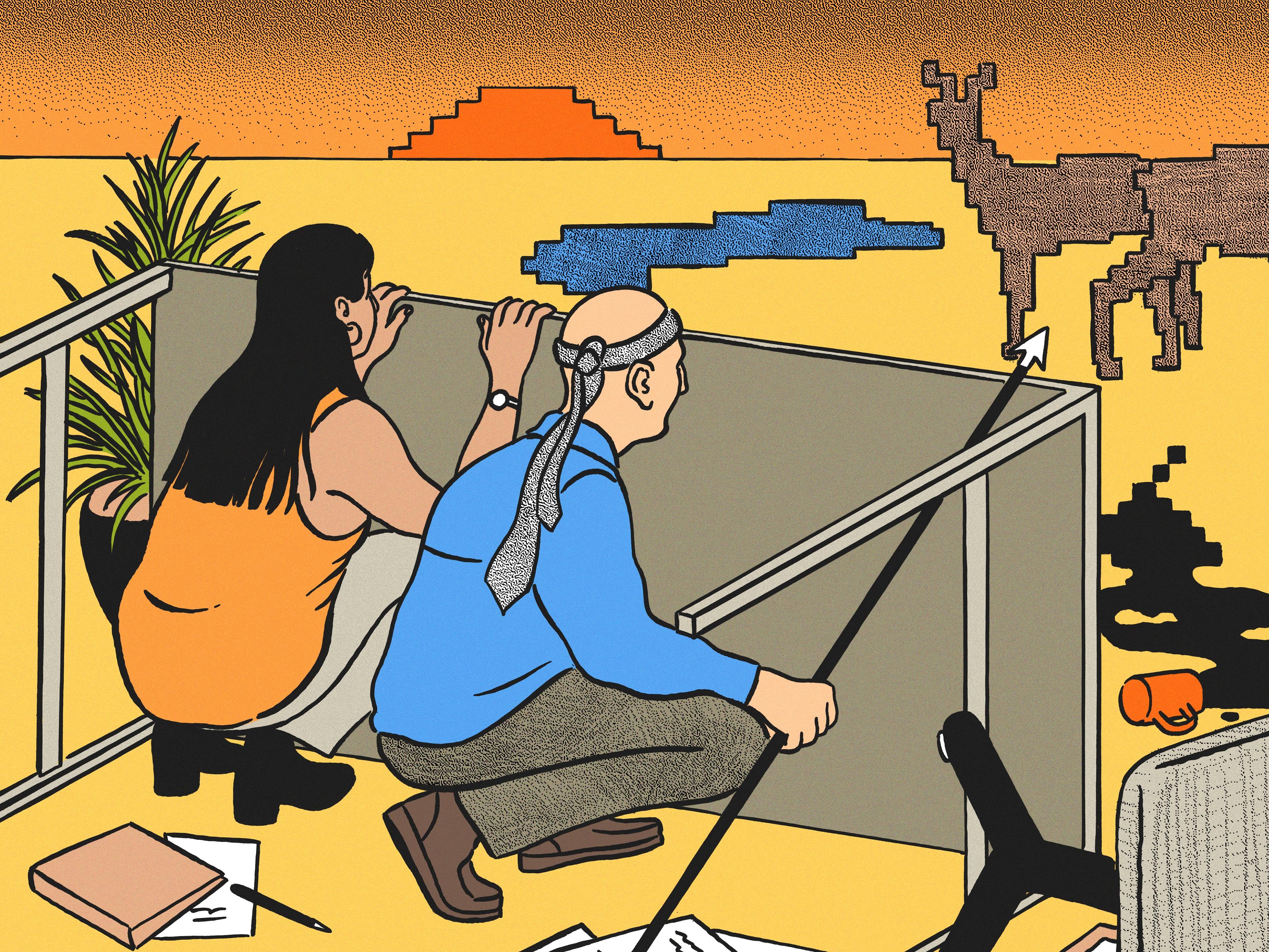
Ever heard a conversation start with "Did you get your deer?" during hunting season? It conveys an odd sense of preordained success, marking the animal as an inevitable conquest rather than a chance encounter.
When 'The' Takes Over the Personal
'The' Versus 'Your' in Illness and Injury
There's something oddly impersonal about asking, "How's the leg?" It hints at a single-minded focus, reducing a person to a mere condition or body part.
'The' in Marital References

It also extends into the domestic realm. "How's the wife?" By using 'the' instead of 'your,' the inquiry sounds less personal, more functional, as if a wife were equivalent to any household object.
The Rustic Charm of 'Good Eatin''
In a linguistic territory reserved for the fruits of personal labor, 'good eatin'' endorses edibles not bought but caught, cultivated, or grounded in self-sufficiency.
The Casual Cadence of 'And I'm like...'
Recounting conversations has been revolutionized by "And I'm like..." It's a colloquial bridge in the narrative, perhaps a verbal shrug, retaining a casual reluctance to commit to actual quotations.
The Artful Absence of Conjunctions
In attempts at poetic brevity, writers might drop conjunctions: "He stroked her thighs, her sex." There's a stylistic attempt to intensify the flow of prose, yet it's a conspicuous habit of romance and erotic literature.
Abbreviations and Their Cheesy Charm
Advertising, especially for kids, brims with 'em: "Li'l Billy 'n' his pals!" They're catchphrases designed to endear and engage, but often they just signal an impending sales pitch.
The Diminutive Appeal of 'Little'
From singers to gift-givers, the word 'little' has been downscaled to a humblebrag or a token of modesty: "Here's a little song," or "I got you a little something."
'Question': Invitation or Interruption?
Sometimes, in meetings and dialogues, "Question" becomes a blunt instrument—a precursor to interruption, an abrupt bid for the floor.
When Words Tumble Out of Order
Twisted and quirky, the likes of "What can I do you for?" embroider the language with a playfully anachronistic touch.
Mommy Talk: A First-Person Phenomenon
The curious case of mothers referring to themselves in the third person—this linguistic tic serves to remind, endear, or maybe, just maybe, vex the listener with maternal omnipresence.
'Gotta Have My': A Creed of Cravings
It's the anthem of the passionate, the slogan of personal brand loyalists: "Gotta have my [insert object of desire here]." This is not just a want—it's a culturally licensed necessity.
Traveling Through the Quirks of Language
As wanderlust leads us through varied landscapes and into the lobbies of the inns we briefly call home, we take with us not only luggage but also the quirks of our language. In every friendly "How's the leg?" from a concerned hotel staffer or a fellow traveler's recommendation for "good eatin'," we encounter the peculiar tapestry woven from our colloquial threads. Perhaps it's in these moments, away from the familiar, that we truly hear the cadences that define us.